« A ce jour Jacqueline est toujours a Arkham et écrit toujours des lettres a Guy Lux pour se plaindre de Batman »
2 « J'aime »

1 « J'aime »


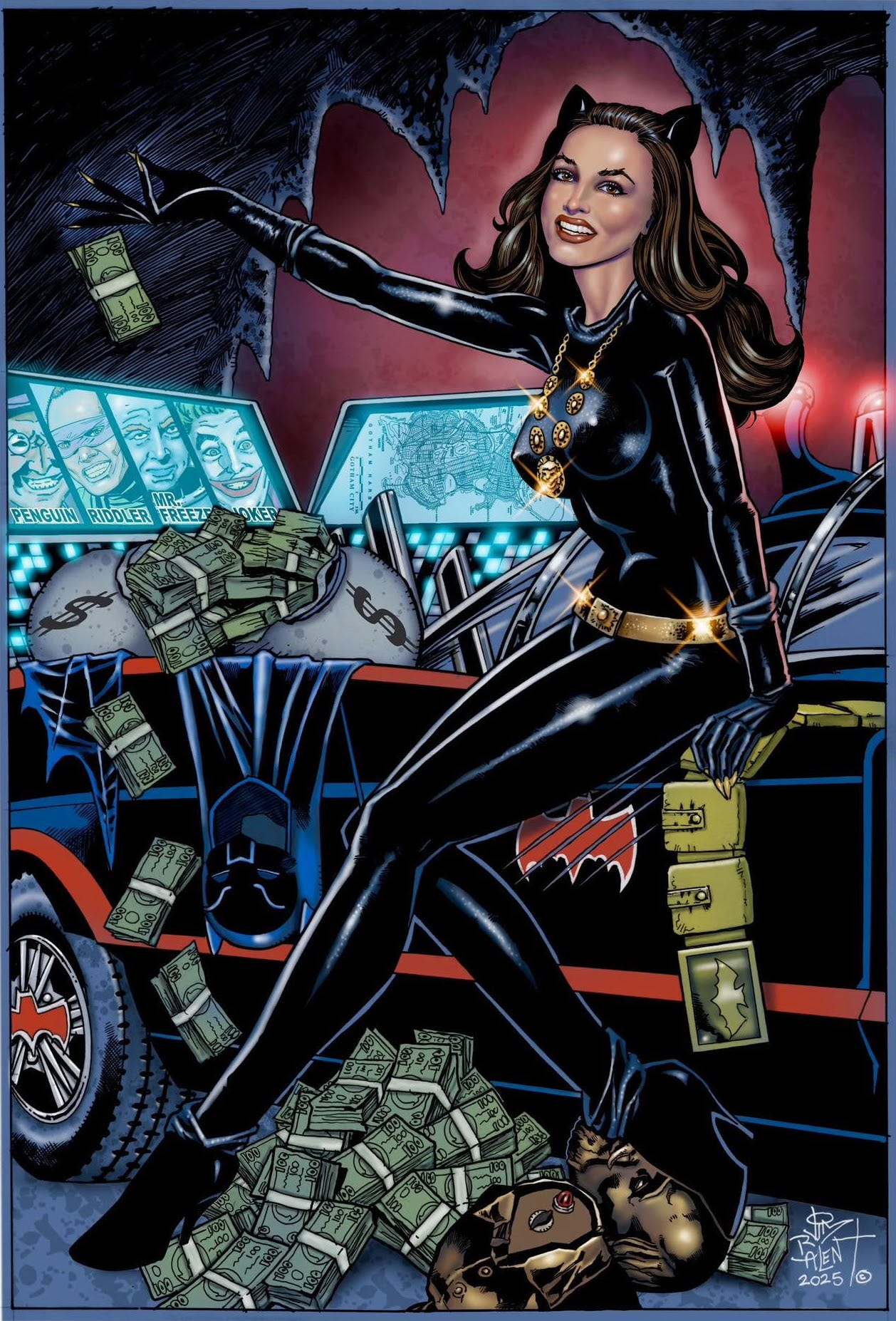
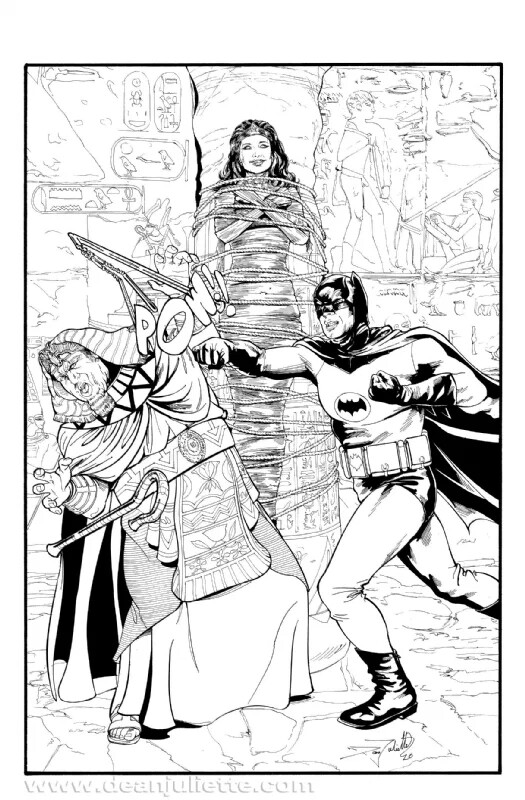
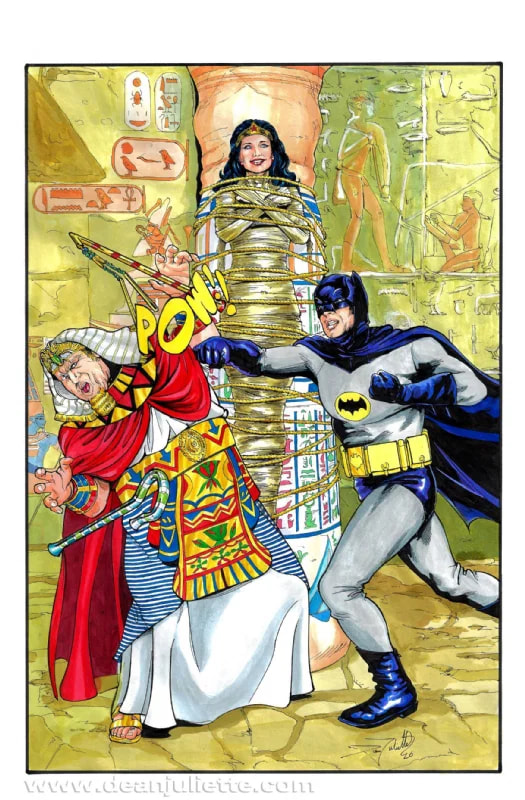
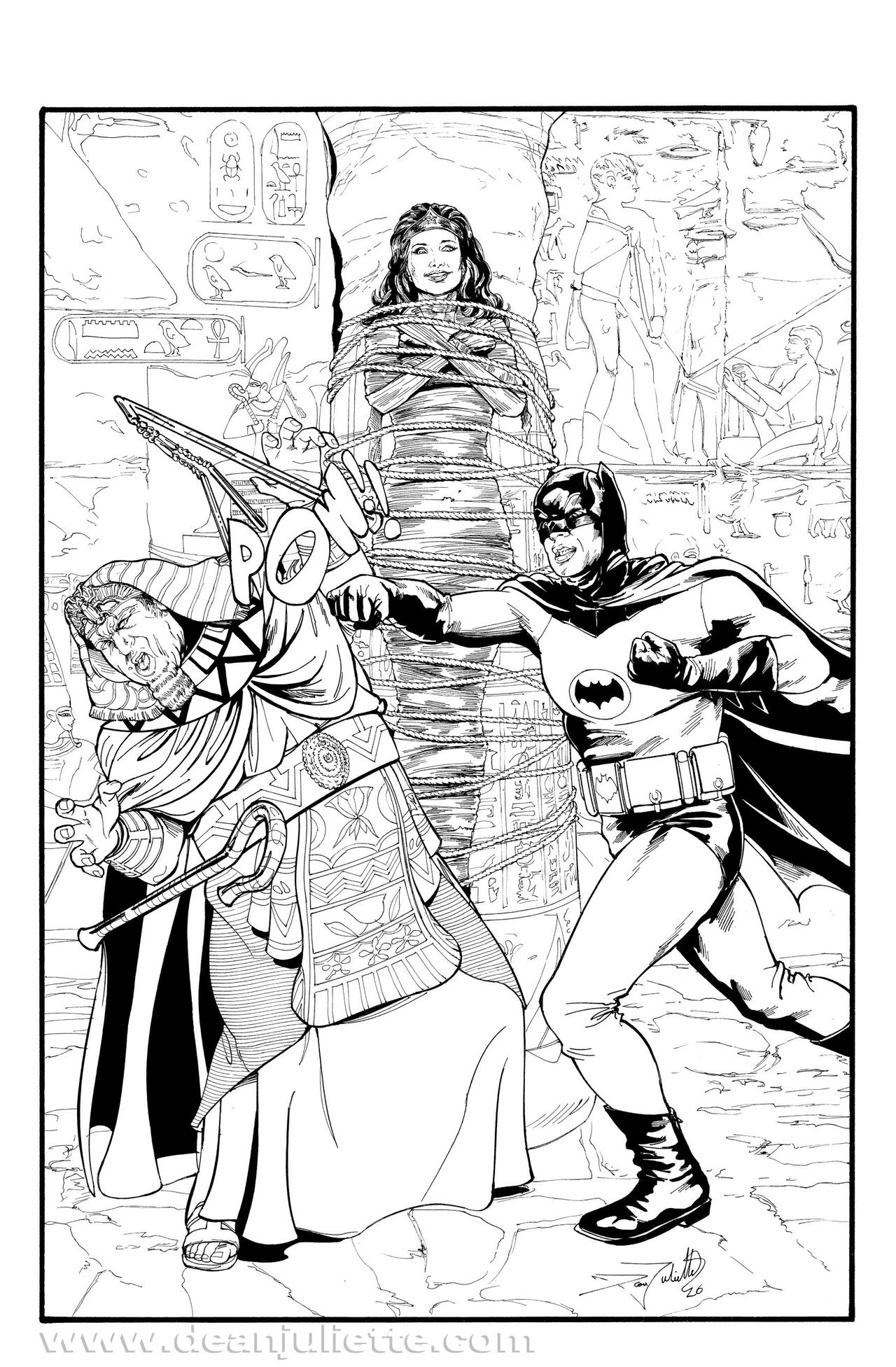
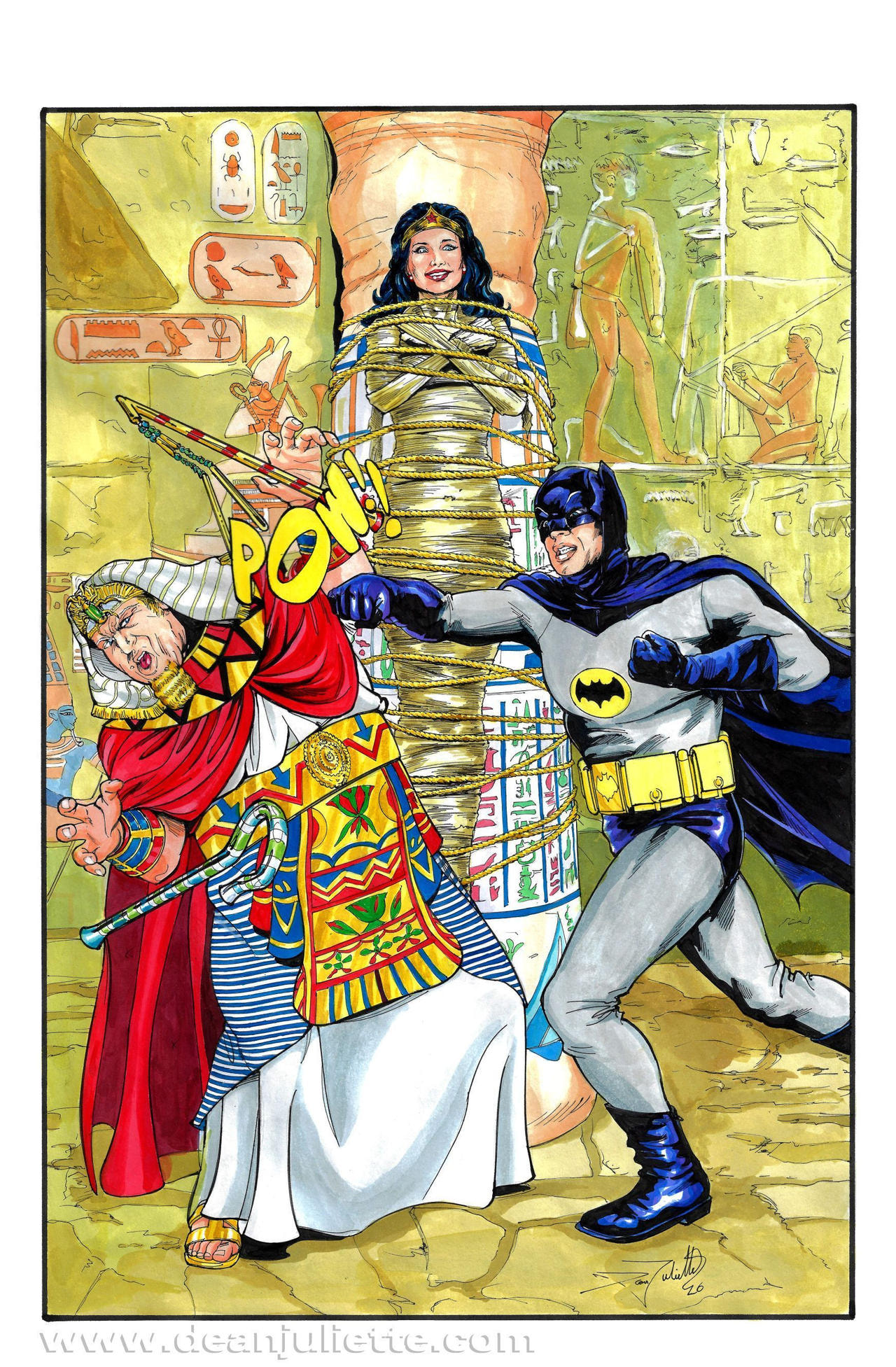
L’influence de la série tv Batman sur Les Simpson (évoquée dans le 1er chapitre de Stupid TV, Be More Funny: How the Golden Era of “The Simpsons” Changed Television—and America—Forever) :
The following is the first chapter from Stupid TV, Be More Funny: How the Golden Era of “The Simpsons” Changed Television—and America—Forever.
That’s the thing about TV: watching too much as a kid might rot your brain. Or lead to the creation of The Simpsons.
As they got older, the budding comedy writers learned to separate the good stuff from the bad. “All of us had been disenchanted with regular TV and had various grievances,” Meyer says. “I would say we felt that the aims of regular TV were not ambitious enough. They just aimed to ingratiate and entertain.”
One exception was Batman. The nerdy guys who went on to write for The Simpsons adored it. And not Tim Burton’s brooding 1989 blockbuster. I’m talking about the ’60s TV show. “The basic hybrid that creates The Simpsons is Batman crossed with actual emotional stories of The Mary Tyler Moore Show,” Vitti says. At once exciting, absurd, and deeply tongue-in-cheek, the superhero series was heavily shaped by screenwriter Lorenzo Semple.
“He didn’t create the characters, but he did create the sensibility,” says Meyer, whose longtime partner was author Maria Semple, Lorenzo’s daughter. “He had an incredible eye for what kind of camp sensibility would work on television.”
Batman starred a deadpan Adam West as the Caped Crusader and featured a variety of goofy villains, gadgets, cliffhangers, self-serious narration, and fight scenes punctuated by exclamations like “WHAMM!” and “KAPOW!” The Simpsons writers revered West, who they eventually enlisted to play himself in an episode.
“All of us who were there when he recorded for The Simpsons—it was like we were in church,” Meyer says. “I mean, just to look at this guy. Talk about nailing a part of a lifetime. That was his role. That’s what he was born to do. And I love when that happens.”
To O’Brien, Batman worked on two levels. The first, he told me, “is just an action-adventure TV show, and it delivers. It’s a home run because there’s fight scenes and bad guys and great costumes and outrageous traps and excitement and thrills and chills. ‘Batman’s in trouble, I hope he gets out of it.’ We all watched it on that level.”
But O’Brien eventually began to see Batman in a different light. “The ’70s roll around and you keep watching it, you start to realize—and now I’m 14, 15, 16—this is hilarious,” O’Brien said. “These scripts by Lorenzo Semple are amazing. It’s the perfect writing meeting the perfect actor. Adam West is killing it. The tone is perfect.”
Meyer had a similar epiphany when he noticed that the two most reasonable voices of Batman, Commissioner Gordon and Chief O’Hara, were kind of clueless. “It was a satirical show in that it took on authority and made authority figures look kind of ridiculous,” he says. “And the criminals were even more ridiculous. I mean, they’re carrying around umbrellas.” (As weapons, not to stay dry.)
When Meyer was a kid, the most alluring thing about Batman was that it was totally off the wall. “The rules seemed to have been tossed out the window, and that was such an exhilarating experience for a young viewer,” he says. “Because a lot of the shows, as well done as they were before that, seemed kind of square and stale and tame compared to that.”
The Simpsons, I should point out, is not a clone of Batman. The ’60s superhero show was, in truth, only one strain of influence. Each of the writers had a unique sensibility, but for better or worse, they had similar points of view. They were a group of straight white guys. Over the years, the show has been correctly described as subversive, progressive, and groundbreaking, but the makeup of the staff was absolutely of its time. Back then, that’s who shaped TV comedy. This also meant that many of their favorite pop culture references and influences were shared.
“We brought a lot of stuff to the table,” Simpsons writer Jay Kogen says. More than any other show that came before it, The Simpsons was the product of mass media. It was an elevated mix of all the stuff the writers saw as kids, from the madcap brilliance of Looney Tunes, to the silly farce Gilligan’s Island, to the traditional Dick Van Dyke Show, to the working-class comedy of The Honeymooners, to the spy parody Get Smart, to the kitschy family comedy The Brady Bunch, to the biting satire All in the Family, to the socially conscious and emotionally resonant Mary Tyler Moore Show, to the groundbreaking sketch fest Saturday Night Live.